











A clinical externship is one of the most valuable experiences you’ll have as a nursing student. It’s your chance to step into a real healthcare environment, work alongside experienced professionals, and start building the skills and confidence you’ll carry into your nursing career.
Below, we’ll explore how to prepare effectively, adapt to new clinical environments, build professional relationships, and make the most out of your externship experience.
What is a clinical externship?
A clinical externship is a supervised, hands-on training experience that allows nursing students or recent graduates to apply classroom knowledge in real healthcare settings such as hospitals, clinics, or long-term care facilities.
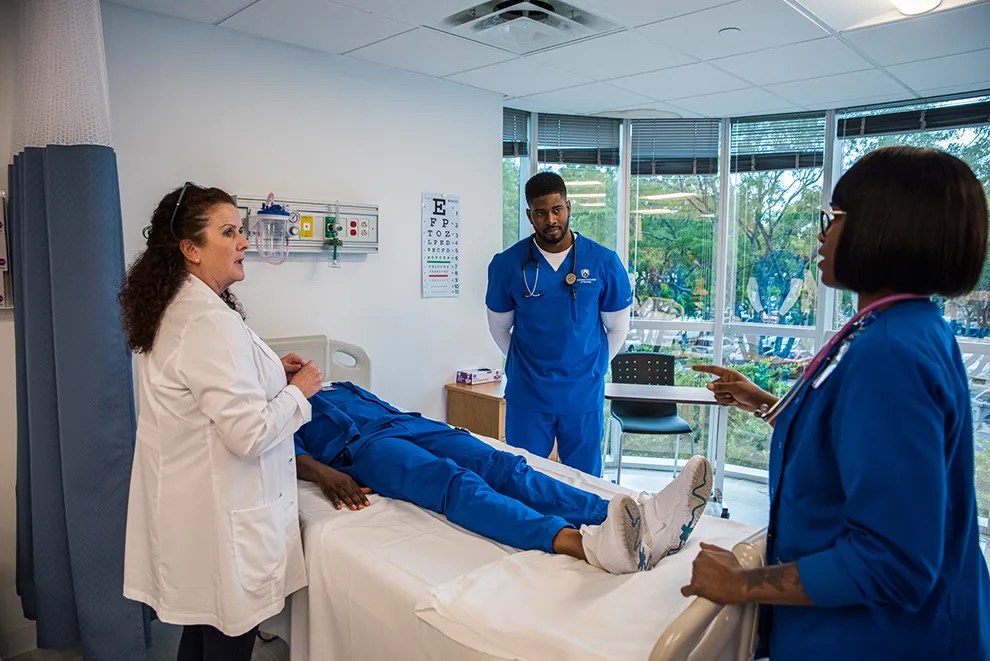
Typically offered during or after nursing school, externships connect what you learn in the classroom to what you’ll do on the job. You’ll work under the guidance of registered nurses and clinical educators, gaining firsthand exposure to patient care routines and multidisciplinary teamwork. This hands-on nursing experience can help you see how theories translate into compassionate, evidence-based practice.
Role in Nursing Education
Nursing externships play a key role in reinforcing the theoretical foundations of nursing education through direct patient interaction. They allow you to observe and participate in real-life clinical scenarios, such as medication administration, patient assessment, and documentation, while receiving feedback from experienced mentors. This clinical training for nurses also helps strengthen vital competencies, including critical thinking, communication, and clinical judgment.
A nursing externship also directly supports job readiness. It familiarizes you with hospital workflows, policies, and patient care standards, which can make the shift to working as a registered nurse feel more manageable. Many healthcare institutions even use externship programs as a recruitment pipeline, which may open the door to employment opportunities after graduation. Whether you’re just starting to explore your options or actively preparing for your nursing externship, understanding these benefits can help you approach the experience with confidence.
Benefits and Importance for Career Development
Your clinical externship can offer several professional advantages that support your long-term career goals. From building hands-on skills to growing your professional network, the experience can strengthen both your resume and your readiness for the workforce.
Skill development. You get to refine your technical and interpersonal skills in a structured, supportive environment.
Professional networking. Externships connect you with potential employers, preceptors, and healthcare teams, allowing you to build meaningful professional relationships.
Resume enhancement. Having externship experience can set you apart when applying for nursing positions or residency programs.
Aid to Job Readiness and Employment
A nursing externship directly supports job readiness by preparing you to transition into a full-time nursing role. It familiarizes you with hospital workflows, policies, and patient care standards, which can make the shift to working as a registered nurse feel more manageable.
Many healthcare institutions use externship programs as a recruitment pipeline, which may open the door to employment opportunities after graduation.

An externship is an essential step in your nursing education and career development. It transforms academic knowledge into clinical competence, fosters professional growth, and enhances employability by preparing you for the demands of patient care. Whether you’re just starting to explore your options or actively preparing for your nursing externship, understanding these benefits can help you approach the experience with confidence.
What’s the best way to prepare for clinical training?
The best way to prepare for your clinical externship is to focus on three key areas: organizing your logistics, sharpening your skills, and getting mentally ready. Here are some nursing externship tips to help you get started:
Clinical Rotation Preparation
Before your first day, take time to get organized and make sure you’re set up for a smooth start. A little preparation with your paperwork, supplies, and clinical knowledge can help you feel more confident walking onto the floor.
Understand externship requirements. Review the externship’s expectations, such as schedule duration, required forms, dress code, immunization, and clearance documents, to name a few.
Organize documentation and logistics. Gather essential paperwork such as IDs, immunization records, and background checks. Learn the facility layout, parking, and orientation location in advance.
Review core nursing knowledge and skills. Brush up on your anatomy/physiology, pharmacology, and pathophysiology knowledge, along with common clinical skills such as taking vital signs, medication administration, and infection control.
Prepare tools and supplies. Ensure you have comfortable scrubs, shoes, a stethoscope, penlight, watch, notepad, and any facility-required tools or accessories.
Research the unit/specialty. Read about the patient population, typical diagnosis, procedures, and challenges of the unit where you’ll be placed. This helps you ask informed questions and engage meaningfully.
Network and communicate intent. Let instructors, preceptors, or unit staff know you’re eager to learn and possibly pursue future opportunities there.
Reviewing Skills and Setting Goals
Along with logistics, it helps to take stock of where you are clinically and set clear goals for what you want to accomplish. Having a plan for what you want to learn and improve on can keep you focused throughout your externship.
Conduct a self-assessment. List your strengths and weaknesses in technical skills (such as IV starts or wound care) and soft skills (such as communication or delegation).
Set SMART goals. For example, state: “By week 2, I’ll take full vital signs and document on the EHR with no errors,” or “By mid-externship, I’ll ask at least two clinical questions per shift.”
Prioritize key competencies. Focus on frequently-used or high-impact skills first, such as patient assessment, medication safety, and care planning.
Plan for feedback cycles. Ask for regular feedback from your preceptor and reflect weekly on your performance and progress.
Keep a clinical log or journal. Record cases, lessons learned, and clinical reasoning daily. Keeping a log can support both learning and reflection.
Getting Mentally and Emotionally Ready
Preparation isn’t just about skills and paperwork. Your mindset matters just as much. Taking time to build emotional resilience and set realistic expectations can make a real difference in how you handle the demands of your first clinical experience.
Adopt a growth mindset. Accept that mistakes or uncertainty will happen. See them as learning opportunities, not failures.
Practice stress management techniques. Being on the floor for the first time can feel nerve-wracking. Try deep breathing, mindfulness, short walks, or debriefing to manage anxiety or fatigue.
Build emotional resilience. Healthcare can involve emotionally difficult scenarios such as patient loss or conflict. Think ahead about what supports you can lean on.
Visualize success. Make it a point to mentally rehearse a positive shift where you interact with nurses and patients and solve problems.
Set realistic expectations and boundaries. You’re not expected to know everything at first. Be clear when asking for help and avoid overextending yourself.
Maintain self-care. After a long day, prioritize rest, nutrition, and downtime. Emotional energy is just as important as clinical readiness.
What should you expect during your first days on the floor?
During your first days, you can expect a mix of orientation, observation, and gradual hands-on involvement as you get familiar with your unit and team. While every facility is different, there are some common nursing clinical experiences that most externs share as they settle into their new environment.
Initial Experiences and Orientation
Your first days will typically include a facility tour, introductions to staff, and training on the systems you’ll use daily. On your very first day, you’ll usually get a tour of the unit: where supplies are kept, patient rooms, break rooms, emergency exits, and charting stations, to name a few. You’ll also meet the nursing and support staff who will work with you.
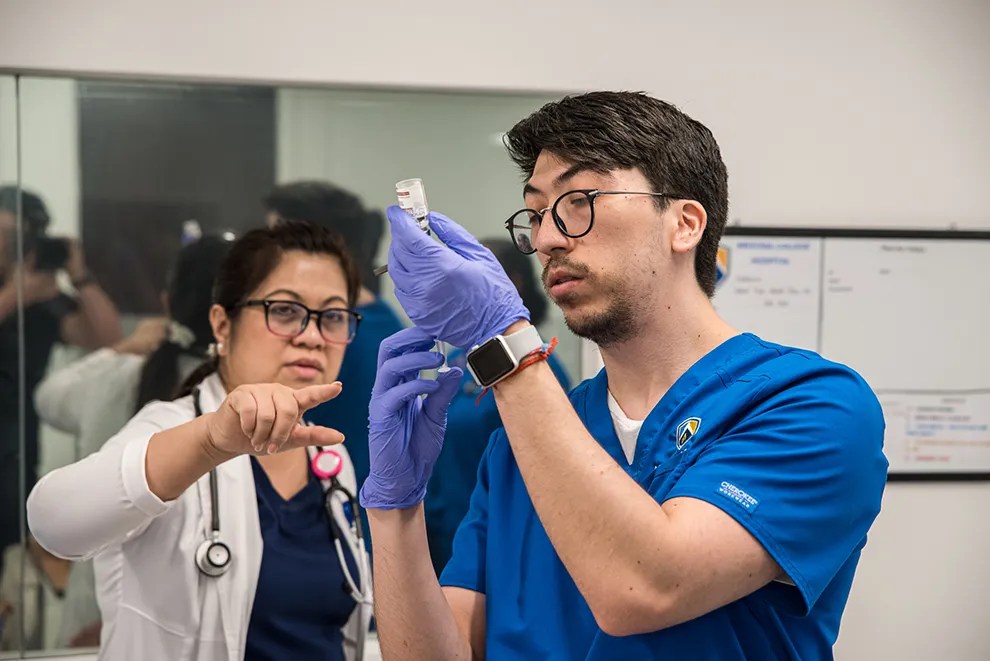
You may have to complete classes or virtual modules (policies on safety or infection control) on facility-specific rules and clinical expectations. Some extern programs start with several days of formal orientation before you’re assigned a preceptor or begin patient care tasks.
You’ll likely be trained in the electronic health record or charting software the facility uses, along with documentation procedures and patient confidentiality (HIPAA). You may also receive training on other equipment specific to your unit.
Understanding Workflows and Expectations
Your first few shifts will often be more about observing than doing: following your preceptor, watching routines, seeing how patient care is prioritized, and how multidisciplinary teams collaborate.
It helps to ask what tasks you are allowed to assist with, such as vital signs taking, bathing, moving patients, and charting, versus what must be supervised closely. Your preceptor or supervisor will typically lay out these expectations early on.
Every unit, such as a medical-surgical or pediatric ward, has its own rhythms around report times, rounds, shift handoffs, patient assignments, and emergency responses. Learning how your unit functions day to day, including who does what and when, is key.
Adapting to Clinical Environments
Adapting to a clinical environment means learning to manage shifting priorities, unpredictable schedules, and new workflows. It may feel overwhelming at first, but that’s expected. Speak up if you’re unsure. Ask for clarification often, observe how others perform tasks, and seek feedback.
You’ll also need to adapt to different shifts, patient loads, and unpredictable events, such as codes, emergencies, and admissions. Sometimes, tasks may differ greatly from what you expected. Take on small tasks, help where needed, and accept that you won’t do everything perfectly at first. That willingness to jump in goes a long way.
As you become more familiar with your environment, staff, and routines, you’ll gradually take on more responsibility and feel more comfortable. It’s common for nurse externs to feel more at ease after just a few shifts, and the same will likely be true for you.
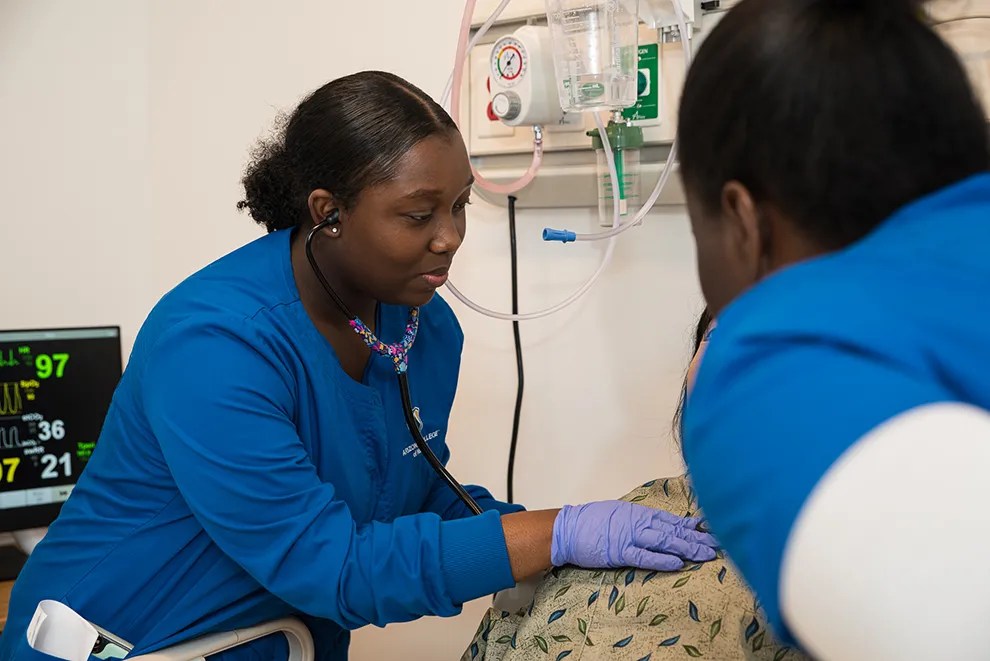
How do you build strong relationships on the floor?
You build strong relationships during your nursing externship through consistent, effective communication, reliability, and a willingness to learn from everyone around you. These qualities not only enhance your nursing clinical experience but also demonstrate that you’re prepared to take on the responsibilities of a registered nurse.
Professional Communication and Behavior
Communicate respectfully and maintain a positive attitude. Practice active listening: pay attention to instructions, ask thoughtful questions, and clarify expectations when unsure.
Maintain confidentiality, follow dress codes, and arrive punctually to demonstrate reliability. Address nurses, physicians, and staff courteously, using appropriate titles unless told otherwise. Consistent professionalism earns respect and builds credibility with your preceptor and colleagues.
Building Trust and Rapport
Trust develops through dependability, integrity, and humility. Follow through on assigned tasks, admit mistakes honestly, and seek guidance when needed. Show appreciation for feedback, as it signals your commitment to improvement.
Try to engage with patients empathetically. Maintain eye contact and use therapeutic communication techniques to build rapport. When peers and mentors see that you’re responsible and teachable, they’ll be more willing to share their knowledge, offer feedback, and advocate for you.
Working Effectively with the Healthcare Team
To work effectively with the healthcare team, observe how nurses, physicians, and support staff coordinate patient care and mirror their communication styles. Understanding how each role contributes to patient outcomes can help you find where you fit within the team.
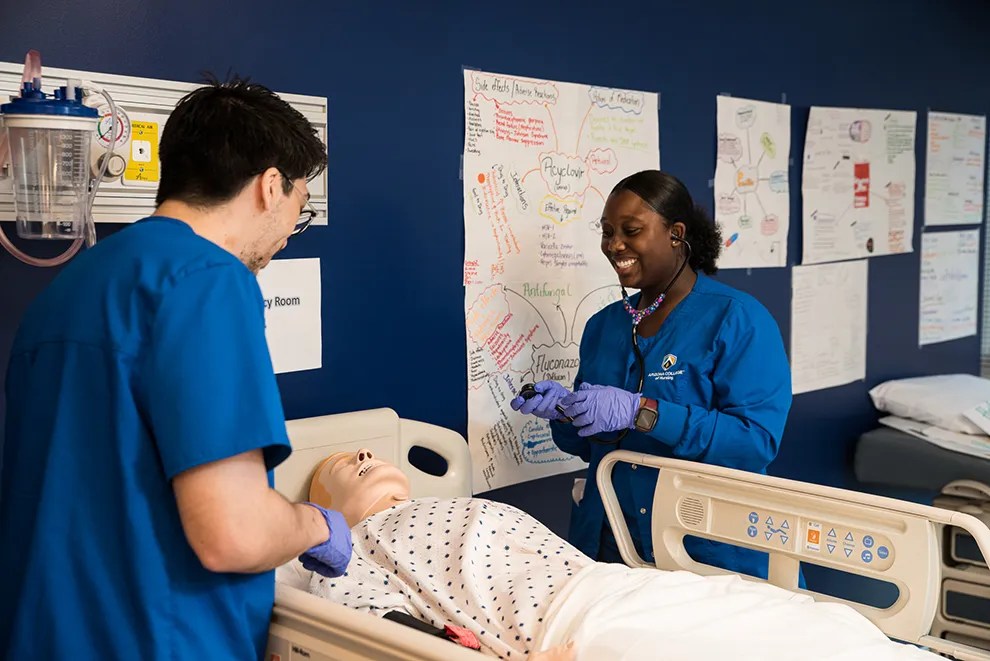
Offer help when appropriate, even with small tasks, to show initiative and teamwork. Respect each member’s role and expertise, as this will foster mutual respect and promote a smoother workflow. Try to participate in briefings, debriefings, or handoffs to become more familiar with the unit’s interdisciplinary collaboration.
What clinical skills should you develop?
One of the greatest benefits of a clinical externship is that it can help strengthen your technical and interpersonal skills, which are essential for safe and effective patient care. Below are some areas to focus on if you want to get the most out of your nursing student externship:
Key Skill Development Areas
Externships for nursing students help refine core clinical competencies, such as patient assessment, vital signs monitoring, medication administration, wound care, infection control, and documentation. This focus on clinical skills development prepares you for the responsibilities you’ll face as a registered nurse.
Externships also help you gain exposure to clinical decision-making, prioritization, and time management within fast-paced healthcare environments. With these hands-on nursing clinical experiences, you can see for yourself how theory translates to practice.
Balancing Technical and Soft Skills
While mastering clinical procedures is crucial, soft skills like communication, empathy, teamwork, and professionalism are equally important. As a future nurse, you’ll work closely with patients, families, and multidisciplinary teams. To enhance overall care quality, you’ll need to learn how to communicate clearly, advocate for patients, and show compassion.
Emotional intelligence and adaptability can also help you manage stress more effectively, as they allow you to respond with greater composure during unpredictable clinical situations.
Practical Application of Classroom Learning
Do you find it hard to picture how nursing theories apply to real life? A healthcare externship can show you firsthand. For example, pathophysiology lessons inform assessment findings, pharmacology knowledge supports safe medication administration, and evidence-based practice guides clinical decisions.
With the help of your externship, you’ll learn how to think critically by connecting patient symptoms to their conditions and applying the nursing process in actual patient scenarios. This experiential learning not only makes classroom instruction easier to understand, but also helps you develop professional confidence.
How do you handle challenges?
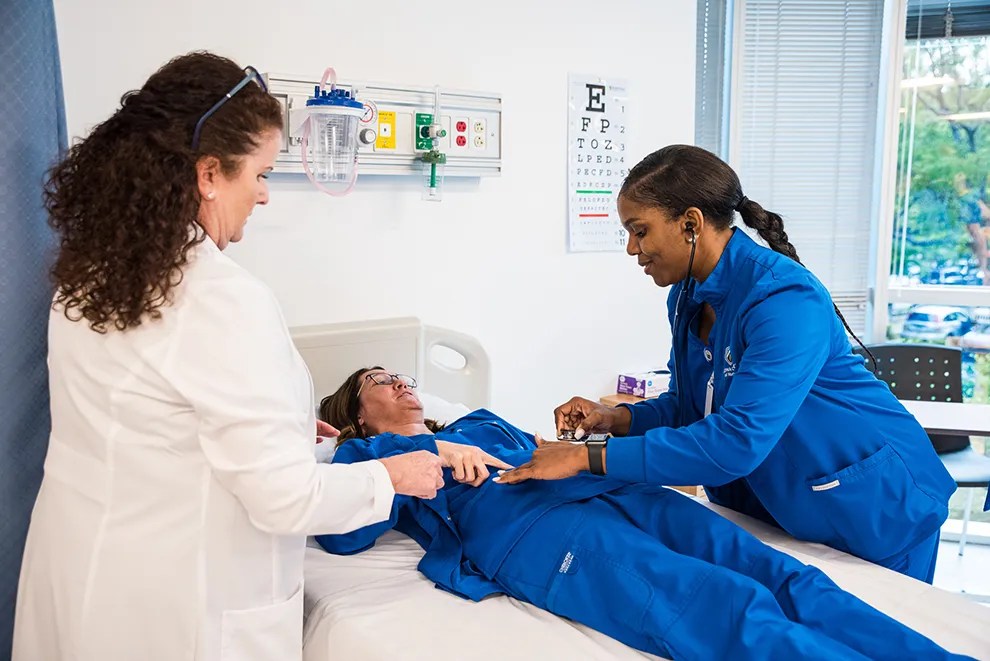
You handle challenges during a clinical externship by staying prepared, asking questions, and treating each difficult moment as a learning opportunity. Feeling nervous is completely normal as you transition from student to professional nurse, and here are some ways to navigate the day-to-day challenges that often come with the experience.
Common Challenges and Solutions
As a first-timer on the floor, it’s common to feel overwhelmed by time management, constructive criticism, and the pressure of performing clinical tasks in an unfamiliar environment. These challenges are a normal part of the learning process, not a reflection of your ability.
The key is to stay proactive. Go over unit protocols ahead of time, stay organized, and ask clarifying questions before performing any procedure. Accept feedback as a tool for growth, not as a sign of failure.
And if you make a mistake, don’t be afraid to acknowledge it. More importantly, focus on the steps that’ll prevent you from repeating it.
Learning from Difficult Situations
Situations such as caring for anxious patients, receiving criticism, or responding to emergencies can feel intimidating, but they offer valuable lessons. Make it a point to reflect on what went well during those situations and what you could do to improve.
It may also help to keep a clinical reflection journal, as this can help you identify patterns, recognize progress, and turn mistakes into learning opportunities. Over time, these experiences will sharpen your clinical judgment and strengthen your competence. When you treat obstacles as learning moments, you set yourself up for long-term success in your nursing career.
Seeking Support and Guidance
The best way to seek support is to observe experienced professionals, speak up when you need help, and lean on your preceptor and peers. No extern is expected to know everything from day one, and that’s the whole point of the experience: to learn. Your preceptor, clinical instructor, and fellow nurses are there to help you grow, so don’t hold back when you have questions.
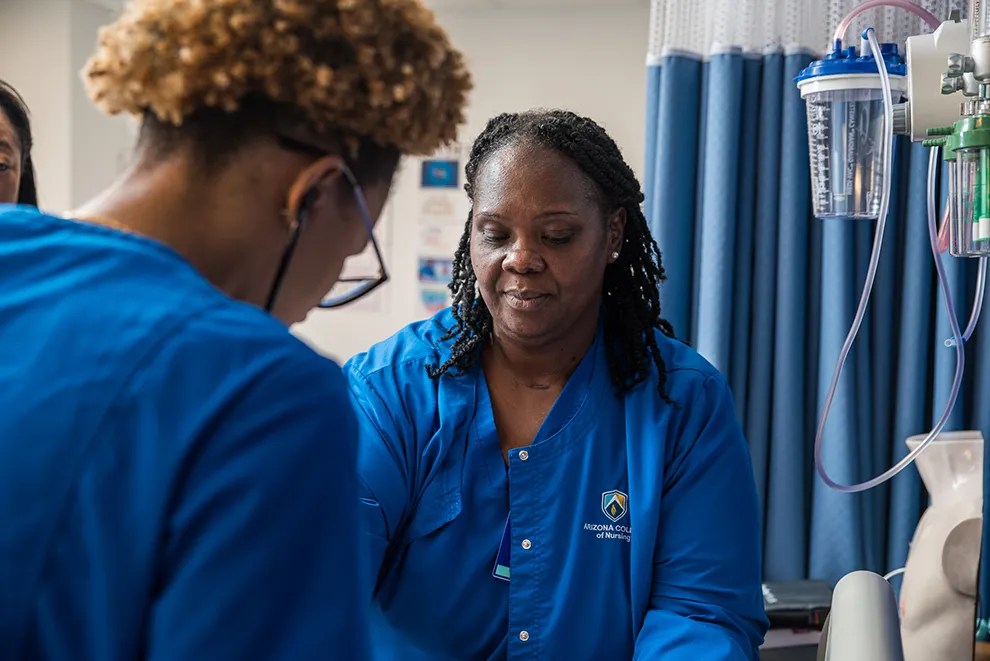
Collaborating with your peers can also make a difference, especially during stressful shifts when a little encouragement goes a long way. It also helps to talk with mentors about coping strategies and professional development goals. The relationships you form while navigating these challenges can play a key role in your career after graduation.
How does clinical training help you prepare for the job market?
Clinical training helps you prepare for the job market by giving you the chance to build professional connections, earn references, and prove your skills in a clinical environment. A clinical externship can be a powerful stepping stone to securing your first nursing job, and beyond building your resume, it gives you firsthand insight into what employers look for in new nursing graduates.
Networking and Professional Connections
Externships place you directly in a hospital or clinic where you interact daily with nurses, supervisors, physicians, and administrators. These connections can evolve into valuable professional networks that you can use to your advantage.
Showing enthusiasm, reliability, and teamwork can help you make a lasting impression on potential future colleagues and hiring managers. Some hospitals prefer hiring externs who are already familiar with their systems, policies, and culture.
Building References and Recommendations
Preceptors and nurse managers you work with can become strong professional references who can attest to your clinical competence and work ethic. Impressing your mentors through punctuality, initiative, and willingness to learn can increase the likelihood that they’ll recommend you for open positions or write strong letters of reference.

Demonstrating Value to Employers
Externships give you the chance to showcase your value beyond your academic grades. Employers prefer candidates who take initiative, communicate well with patients and staff, and adapt quickly to clinical demands.
In some cases, consistent professionalism and strong clinical performance can lead to job offers before graduation, especially at facilities that prefer hiring externs already familiar with their environment.
Ultimately, an externship is more than just a learning opportunity; it’s a strong foundation for your career that can help you build connections, earn references, and show employers that you may be job-ready.
What should you do after completing your clinical externship?
Your externship may be done, but the experience doesn’t have to end there. Below are some tips on what you should do post-externship, and how you can use that experience to your advantage.
Post-externship Reflection and Evaluation
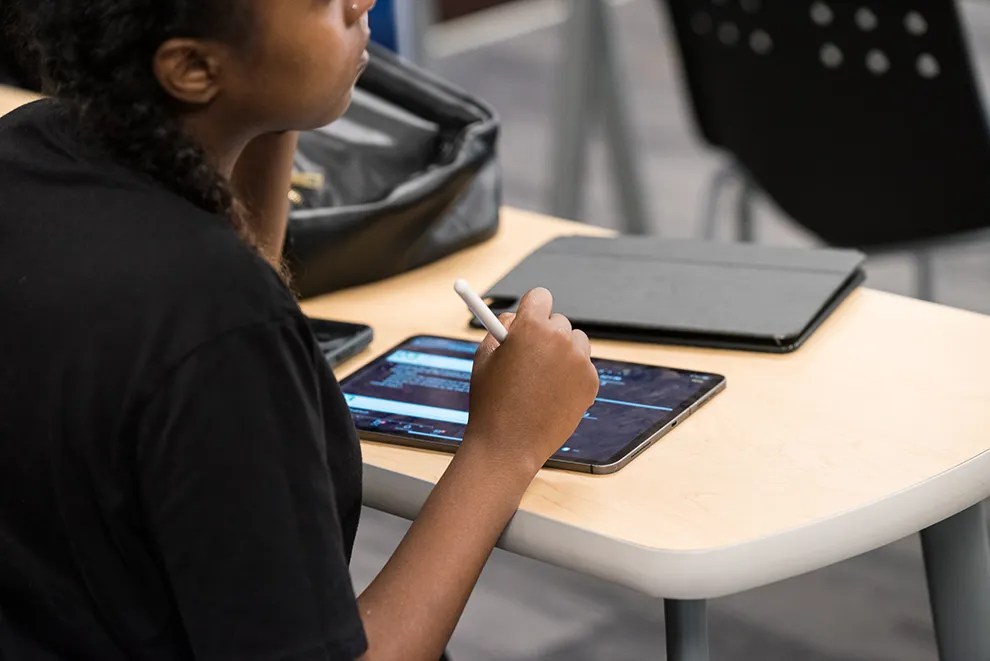
Look back on what you learned and how you grew during your externship experience. Review your clinical logs, feedback, and performance evaluations to identify strengths and areas for improvement. Writing a short self-evaluation can help clarify your professional goals and prepare you for future interviews.
Maintain Professional Relationships
Stay connected with your preceptor, charge nurses, and other staff you worked with. A brief thank-you email or a note expressing appreciation for their guidance can leave a positive impression. Be sure to keep their contact information for potential references or mentorship opportunities.
Networking doesn’t end when the externship does. Maintaining those relationships can open doors to job offers or future collaborations.
Leverage Your Externship for Career Advancement
Your clinical externship experience is a valuable asset as you move into your nursing career. Highlight specific skills, accomplishments, and clinical hours on your resume, and be prepared to discuss what you learned during job interviews. Many employers value candidates who can speak to real patient care scenarios and describe how they handled challenges in a clinical setting.
If your externship site has open positions, express your interest directly to your supervisor or hiring manager. Having already proven yourself in their environment gives you a clear advantage over other applicants.
The Takeaway
Your clinical externship is more than a checkbox in your nursing education. It’s where you start thinking, working, and problem-solving like a nurse. The habits you build, the relationships you form, and the confidence you gain during this time can shape the early years of your career. Make the most of every shift.
Start Your Future in Healthcare Today
At Arizona College, our Allied Health programs provide students with valuable training that the healthcare field demands. With experienced instruction, hands-on technical training, and real medical equipment, you’ll be career-ready in months—not years.
Why Arizona College is right for you
- No waitlist for enrollment
- All programs can be completed in under 9 months
- Online/In-Person hybrid classes available for certain programs
- No high school diploma or GED required (excluding Pharmacy Technician program)
- New class sessions start about every 5 weeks
- Career Services support for students and graduates
- Financial aid available to those who qualify
Discover Your Path to a Career in Healthcare
Information in this post is accurate as of March 9, 2026.
*The Bachelor of Science in Nursing (BSN) degree program at Arizona College of Nursing is accredited by the Commission on Collegiate Nursing Education (https://www.aacnnursing.org/). All Arizona College of Nursing and Arizona College campuses are institutionally accredited by the Accrediting Bureau of Health Education Schools (https://www.abhes.org/), a U.S. Department of Education-recognized accrediting agency.