











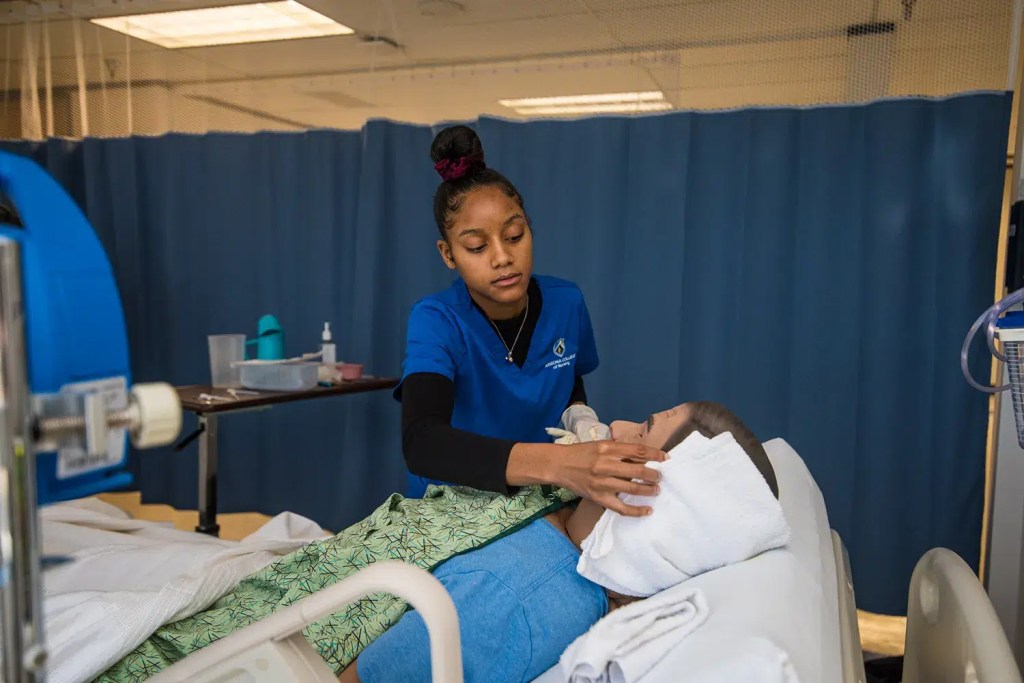
Are you someone who feels a pull toward the adrenaline-fueled world of medicine? Do you thrive on the unpredictable and find the idea of a 9-to-5 desk job completely unappealing. If you are nodding along, you may just have what it takes to be an emergency nurse.
Emergency Nurses Day is celebrated on the second Wednesday in October every year. What started as a single day grew in 2001, when the Emergency Nurses Association turned it into a full week to better honor emergency nurses.
What is emergency nursing?
Emergency nurses work in the emergency department (ED) of a hospital or healthcare clinic. They are the front line and first point of contact for anyone coming in with an urgent medical need, from a sprained ankle to a life-threatening heart attack. As an emergency nurse, you are not just a passive observer; you are at the very center of the action, working side-by-side with doctors and nurse practitioners to assess, treat, and stabilize patients.
One of the most critical roles you will play is in triage. This is not just about taking a patient’s temperature, but it is the dynamic process of evaluating a patient’s condition. This includes administering medications, recording the medical history and symptoms of patients, and taking care of wounds to determine who needs immediate care.
What Working in Emergency Nursing Is Really Like
Imagine it is a busy Saturday night in the ED: a car accident victim arrives via ambulance, a child with a fever is crying in the waiting room, and an elderly patient with chest pain walks through the front door. As the triage nurse, you are the one who makes the split-second decision on who gets seen first, and those decisions can be the difference between life and death.
With the ED being a place of constant motion, there is no such thing as a “slow day.” As per federal law (EMTALA), the ED’s doors never truly close. The ED is required to see every single person who enters the building, regardless of their ability to pay or the severity of their condition. This means you will often find yourself treating patients in unconventional locations like the hallways of the EDS, a waiting room chair, or even a makeshift place. It is a challenge, for sure, but it also highlights the adaptability required of an emergency nurse.
“[My passion is] emergency since I consider myself an adrenaline junkie,” explained Professor Joseph Doherty from Arizona College of Nursing’s Las Vegas campus. “I also like the autonomy that comes with emergency and critical care. You really must have a good, solid foundation as well as critical thinking skills.”
Specialties Within Emergency Nursing
While triage is the initial point of contact, there is so much more to emergency nursing. The ED is a hub for a wide range of medical emergencies, which means that emergency nurses must be skilled and able to understand a wide array of sub-specialties. In the ED, you are constantly learning and adapting to the world of medicine. Some of these sub-specialties include:
Trauma Response Nursing
These nurses are the ones typically working with traumatic injuries like severe burns and wounds from a major automobile accident or fall. They are often part of a dedicated trauma team and are the first to come when patients first come to the ER by ambulance, helicopter, or personal mode of transportation. This role requires an immense amount of focus and the ability to perform under extreme pressure.
Disaster Response Nursing
These nurses are the ones who respond during large-scale emergencies, such as natural disasters, chemical accidents, or mass casualty events. They are trained to work in chaotic and unpredictable environments and can provide life-saving care when the hospital is overwhelmed.
The list of sub-specialties in emergency nursing is extensive, reflecting the diverse patient population you will encounter. From taking care of tiny babies (pediatrics) to elderly adults (geriatrics), and from a heart attack (cardiology) to a stroke (neurology), you will see it all. This comprehensive knowledge is often summed up by the phrase, “from womb to tomb,” meaning that emergency nurses will need to be prepared to handle emergencies at any person’s stage of life. This constant variety keeps the job exciting and will keep you on your toes, ensuring that you will never feel like you are doing the same thing every day at work.
Can a new grad make it in the ER?
This is a question many of you are probably asking, and the good news is: yes, absolutely! While the idea of jumping straight into the ED may seem intimidating, many hospitals are actively recruiting new nursing school graduates, especially with the current nursing shortage. They know that while you may not have years of experience, you obtain the latest clinical knowledge and a fresh perspective in the field.
Many hospitals that hire new grads for the ED provide comprehensive training through residency programs or preceptorships. During this time, you will be paired with an experienced emergency nurse who will mentor you and help train you to adapt the skills you may need to be successful in the ER. These nurses will help you develop the critical thinking skills and practical abilities needed to succeed.
“I am very passionate as nursing is such a versatile field. You can do so much with a nursing degree,” adds Doherty.
How to Become an Emergency Nurse
- Get your BSN: The foundational step is to complete your nursing degree from an accredited program
- Pass the NCLEX-RN: This is the national licensing exam that you must pass in order to become a registered nurse
- Get Licensed: Apply for and receive your state nursing license
- Gain Experience: While it is not required, seeking out a hospital’s residency program or a preceptorship that is focused on emergency care can give you an edge when entering the field of emergency nursing
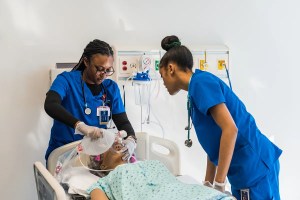
Emergency nursing can be challenging, but also incredibly rewarding. Day-to-day, you will work with a team of dedicated professionals and be a lifeline for people during what are potentially the worst points of their lives. You will witness many moments of human resilience and be calming during moments of panic.
If you are drawn to a career that is anything but routine and where your quick thinking and compassion can save lives, emergency nursing may be your calling. This October, take a moment to appreciate the hard work of emergency nurses everywhere and consider if you have what it takes to join them.
Start Your Future in Nursing Today
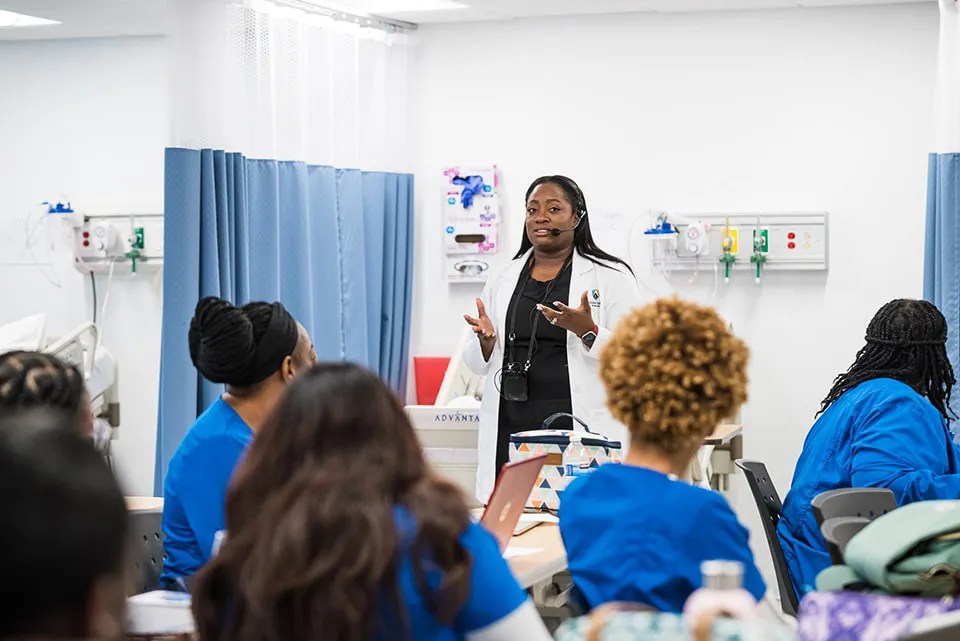
If you’re considering a career as a registered nurse (RN), Arizona College of Nursing is here to help you pursue your dream. Our BSN program enables you to earn a Bachelor of Science in Nursing in just 3 years or less with qualifying transfer credits. We’ve helped hundreds of students to earn a BSN degree and enter the nursing profession – and we’re ready to support you on your path to becoming an RN.
Why Choose Arizona College of Nursing?
- Earn a BSN degree in 3 years or less with eligible transfer credits
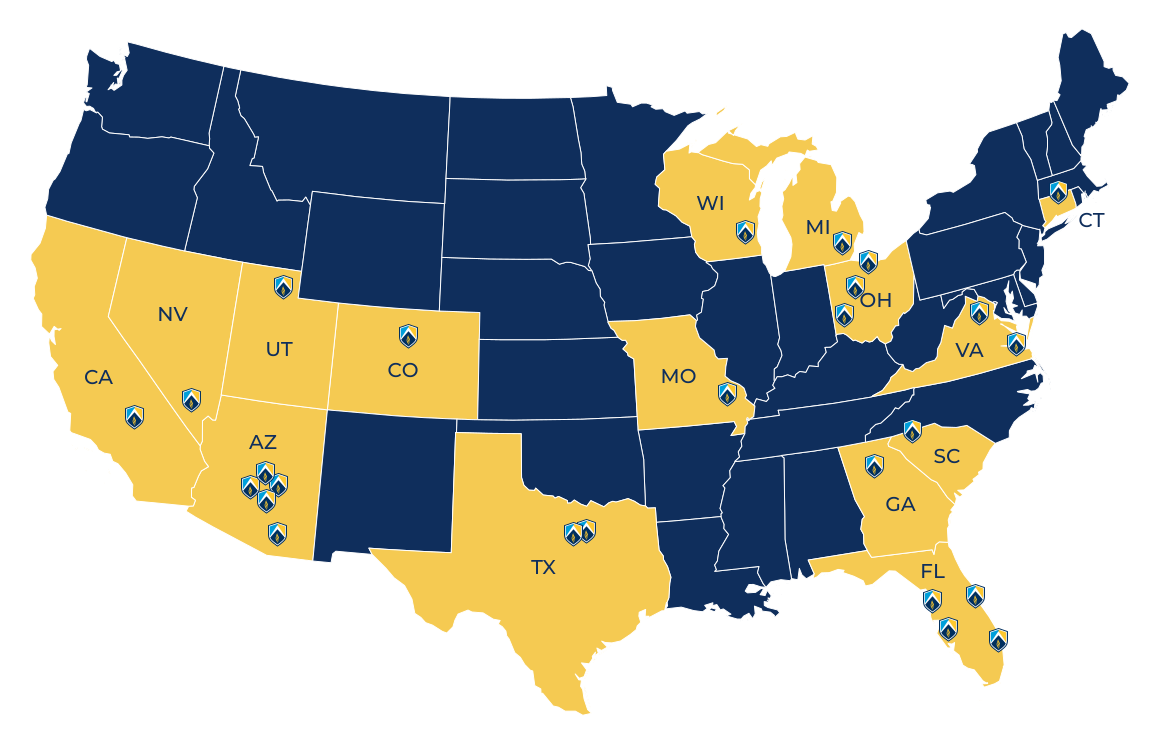
- Campus locations throughout the US
- Night classes for general education courses
- Hybrid Online/In-Person format for general education classes
- Nursing education is all we do
- CCNE-Accredited Program*
- NCLEX-RN success coaches and exam preparation class
- Financial aid available to those who qualify
Discover Your Path to a Career in Nursing
Information in this post is accurate as of October 9, 2025.
*The Bachelor of Science in Nursing (BSN) degree program at Arizona College of Nursing is accredited by the Commission on Collegiate Nursing Education (https://www.aacnnursing.org/). All Arizona College of Nursing and Arizona College campuses are institutionally accredited by the Accrediting Bureau of Health Education Schools (https://www.abhes.org/), a U.S. Department of Education-recognized accrediting agency.